Is Paying for Storage Worth It? A Cost-Benefit Guide for Homes and Businesses in the UK
When you're moving house, renovating, growing a business or simply running out of space, paying for self storage can seem like an extra monthly expense. But is it really a cost—or could it actually save you money?
For many households and businesses across the UK, self storage provides far more than extra space. It helps avoid expensive delays, protects valuable belongings, improves organisation and, in many cases, reduces overall costs.
Whether you're storing furniture during a renovation, keeping business stock close to major transport routes or simply freeing up space at home, the value of storage often becomes clear when you compare it with the alternatives.
In this guide, we'll explore when paying for storage makes financial sense, how to calculate the return on investment (ROI), and why choosing the right location can save both time and money.
Is Self-Storage Worth Paying For?
In many situations, yes.
The real value of self-storage isn't measured by the monthly rental fee alone. It's measured by the costs, stress and disruption that it helps you avoid.
The true value of self storage often becomes apparent when considering critical lifestyle and business questions. For instance, you should weigh whether delaying a house move would incur higher costs than a month of rental, or if protecting furniture during a renovation could prevent the need for expensive replacements. Similarly, businesses must consider if business storage could help avoid stockouts, if a cluttered garage is preventing vehicle use, or if they are paying for a larger office space simply to house archived files.
If the answer to any of these is yes, self storage often pays for itself surprisingly quickly.
Instead of viewing storage as an additional expense, it's more useful to think of it as an investment in flexibility, convenience and risk reduction.
When Is Storage Worth It for Homeowners?
Life doesn't always go according to plan. House moves are delayed, renovations overrun, family circumstances change and homes quickly become cluttered.
During these periods, having access to secure storage can make everyday life significantly easier.
Moving House Without the Pressure
Property chains rarely run perfectly. Completion dates move, buyers withdraw and removal companies need certainty.
Rather than trying to squeeze everything into temporary accommodation—or paying for repeated removal services—a storage unit gives you breathing space.
For example, a typical 10ft x 8ft storage unit may cost around £90 per month .
When you compare the roughly £90 monthly cost of a 10ft x 8ft unit against the financial sting of rebooking removal companies, hiring additional vans, or paying for extra fuel and time off work, the ROI is clear. These logistical hurdles, along with potential hotel stays and delayed completion penalties, often exceed the cost of professional personal storage after just one incident.
In many cases, just one avoided delay can save more than the cost of an entire month's storage.
If you're preparing for a move, our guide to Moving House Storage explains how to choose the right unit size and make the process as stress-free as possible.
Renovating Your Home
Home improvements create dust, disruption and plenty of opportunities for accidental damage.
Renovations are notorious for generating dust and debris that can ruin high-end furnishings. By moving items into a secure unit, you eliminate the risk of paint splashes, dust contamination, scratches, water damage, and broken appliances. At approximately £140 per month, this protection is far more economical than repair or replacement costs.
A medium-sized storage unit costing around £140 per month is often considerably cheaper than replacing damaged furniture or paying for specialist cleaning once the work is complete.
It also gives tradespeople more room to work efficiently, helping projects stay on schedule.
Between Tenancies
Renters frequently find themselves caught between tenancy dates.
Perhaps your new property isn't available for another month, or you've decided to stay with family while searching for the right home.
Rather than paying double rent, short-term storage allows you to keep your belongings safe while giving yourself greater flexibility.
The financial gap between paying a storage unit fee of £90–£140 and a full month of additional rent (typically £800–£1,200) represents a massive saving for renters caught in transition.
The savings can be substantial.
Creating More Space at Home
Not everything needs to live inside your house all year round.
Seasonal items like Christmas decorations, camping equipment, garden furniture, and bicycles can be moved to a small locker. Moving these together with bulky ski equipment, children's toys, and seasonal clothing into a £40–£50 monthly locker is a smart alternative to upsizing your home.
A small locker costing around £40–£50 per month can free up garages, spare rooms and lofts without forcing you to part with belongings you'll use again.
For many families, that's a far cheaper solution than moving to a larger property simply for extra storage.
Is Business Storage Worth the Money?
For businesses, storage shouldn't be viewed as an expense. Actually, it should be viewed as an operational asset. Every square foot of office, warehouse or retail space comes at a premium.
If you can relocate infrequently used stock, equipment or archives to secure storage, your primary workspace becomes more productive. In many cases, business storage generates a measurable return on investment.
How Business Storage Creates ROI
Unlike household storage, business storage often produces direct financial benefits.
A professional storage company like ANVSJ provides the infrastructure to prevent stock shortages, reduce delivery delays, and improve staff productivity. By avoiding expensive office expansions and lowering transport costs, firms can effectively support seasonal demand without the overhead of permanent large-scale facilities.
Let's look at some practical examples.
Online Retailers
If you're selling through Shopify, Amazon, eBay or your own website, running out of stock can quickly become expensive.
Imagine your business loses approximately £300 profit every day a popular product is unavailable.
A storage unit costing £140 per month that allows you to keep buffer stock on hand effectively pays for itself after preventing just one lost sales day.
Instead of waiting for emergency supplier deliveries, you'll already have inventory ready to dispatch.
Tradespeople and Contractors
Electricians, plumbers, builders and landscapers often waste valuable hours collecting materials from multiple locations.
A well-positioned storage unit allows tools and supplies to be organised in one secure place.
If two engineers each save 30 minutes every working day by collecting equipment from a convenient depot, that's approximately five hours saved every week .
Assuming labour costs average £40 per hour , that's around £200 worth of productive time recovered each week .
Over a month, those savings can easily exceed the cost of the storage unit itself.
Seasonal Businesses
Many businesses only require additional stock for certain times of year.
Seasonal inventory management is crucial for Christmas retailers, garden centres, event companies, and exhibition suppliers. Promotional merchandise businesses also benefit from having flexible space that can scale without the need for a long-term commercial lease.
Rather than expanding permanent premises, storage provides flexible space only when it's needed.
This allows businesses to scale efficiently without committing to larger commercial leases year-round.
Growing Companies
Business growth often creates a space problem before it creates a revenue problem.
Archived documents, spare equipment, exhibition stands, marketing materials and surplus inventory gradually consume valuable office space.
Instead of upgrading to significantly larger premises—which could increase monthly rent by several hundred pounds—many SMEs use self storage to delay that investment while continuing to grow.
It's a practical way to improve cash flow while maintaining flexibility.
Why Location Matters More Than Price
Many people compare storage facilities based solely on monthly cost.
In reality, location often has a far greater impact on overall value.
A slightly cheaper unit located 30 minutes further away may end up costing considerably more in fuel, staff time and productivity.
Businesses particularly benefit from storage facilities located close to major road networks such as the M1 , M18 and A1 , allowing faster access for deliveries and collections.
Likewise, households appreciate facilities with easy drive-up access during house moves or renovation projects.
Choosing the right location isn't simply about convenience—it can significantly reduce ongoing operating costs.
Hidden Costs That Self Storage Can Help You Avoid
One of the biggest advantages of self storage is avoiding costs that aren't immediately obvious.
When calculating how much does self storage cost, you must account for hidden expenses like double rent, emergency courier charges, and rebooking removal companies. It also helps mitigate costs from damaged furniture, lost revenue due to stockouts, premature office expansion, and wasted employee travel time or fuel from inefficient journeys.
When viewed in this context, the monthly storage fee often represents only a small fraction of the money it helps save.
Storage vs the Alternatives
Before renting a storage unit, many people consider other options.
While these can work temporarily, they often come with compromises.
Borrowing a Garage or Spare Room
Relying on friends or family often introduces limitations such as restricted access, no insurance protection, damp conditions, and security concerns. These awkward arrangements can be risky for valuable items or business storage compared to professional facilities.
For valuable possessions or business stock, relying on informal storage can create unnecessary risks.
Decluttering Your Home
Another common alternative is simply trying to fit everything into your existing property.
While decluttering is always worthwhile, there comes a point where every cupboard, loft and garage is full.
Overfilling existing spaces often results in difficulty finding items, increased damage risks, and significant clutter-related stress. It can even lead to garages becoming unusable for vehicles, defeating the purpose of on-site personal storage.
A storage unit allows you to keep the things you value without sacrificing the comfort and functionality of your home.
Paying for Larger Premises
For businesses, relocating to a larger office or warehouse is one of the most expensive ways to create additional space.
Relocating a business to gain office space is incredibly expensive, often involving higher business rates, utility bills, maintenance costs, and long-term lease commitments including additional insurance.
In comparison, a self storage unit provides flexible space without the long-term financial commitment.
Many growing businesses use storage as an affordable stepping stone before investing in larger commercial premises.
How to Calculate Whether Storage Is Worth It
The easiest way to decide is to compare the monthly storage cost against the costs it helps you avoid.
Ask yourself:
- How much would delayed projects cost?
- How much revenue could be lost if stock isn't available?
- How much would replacing damaged furniture cost?
- How much employee time is wasted travelling between locations?
- Would larger premises significantly increase overheads?
If the savings exceed the monthly storage fee, the investment quickly becomes worthwhile.
A Simple ROI Example
Imagine your business experiences stock shortages that cost around £600 each month in lost sales.
If a storage unit costs £140 per month , your return on investment is easy to calculate:
£600 ÷ £140 = 4.3
That means every £1 spent on storage protects approximately £4.30 in revenue .
Even if your estimated losses were only half that amount, the storage unit would still provide excellent value.
The same principle applies to homeowners.
If one month's storage helps you avoid paying an extra month's rent or replacing damaged furniture during renovations, it has effectively paid for itself.
Choosing the Right Storage Unit Size
Selecting the correct unit helps you avoid paying for unnecessary space while ensuring you have room to access your belongings safely.
As a general guide:
Around 80 sq ft
Ideal for:
- Contents of a one-bedroom flat
- Student storage
- Small business stock
- Tools and equipment
Around 160 sq ft
Suitable for:
- Two or three-bedroom homes
- Growing eCommerce businesses
- Several pallets of stock
- Larger renovation projects
Around 320 sq ft
Perfect for:
- Large household moves
- Bulky commercial equipment
- High-volume inventory
- Businesses requiring pallet storage
Where possible, leave approximately 10–15% of the unit as aisle space so you can reach your items without unloading everything.
Why Businesses Choose ANVSJ
Whether you're storing household belongings or business inventory, choosing the right storage provider makes all the difference.
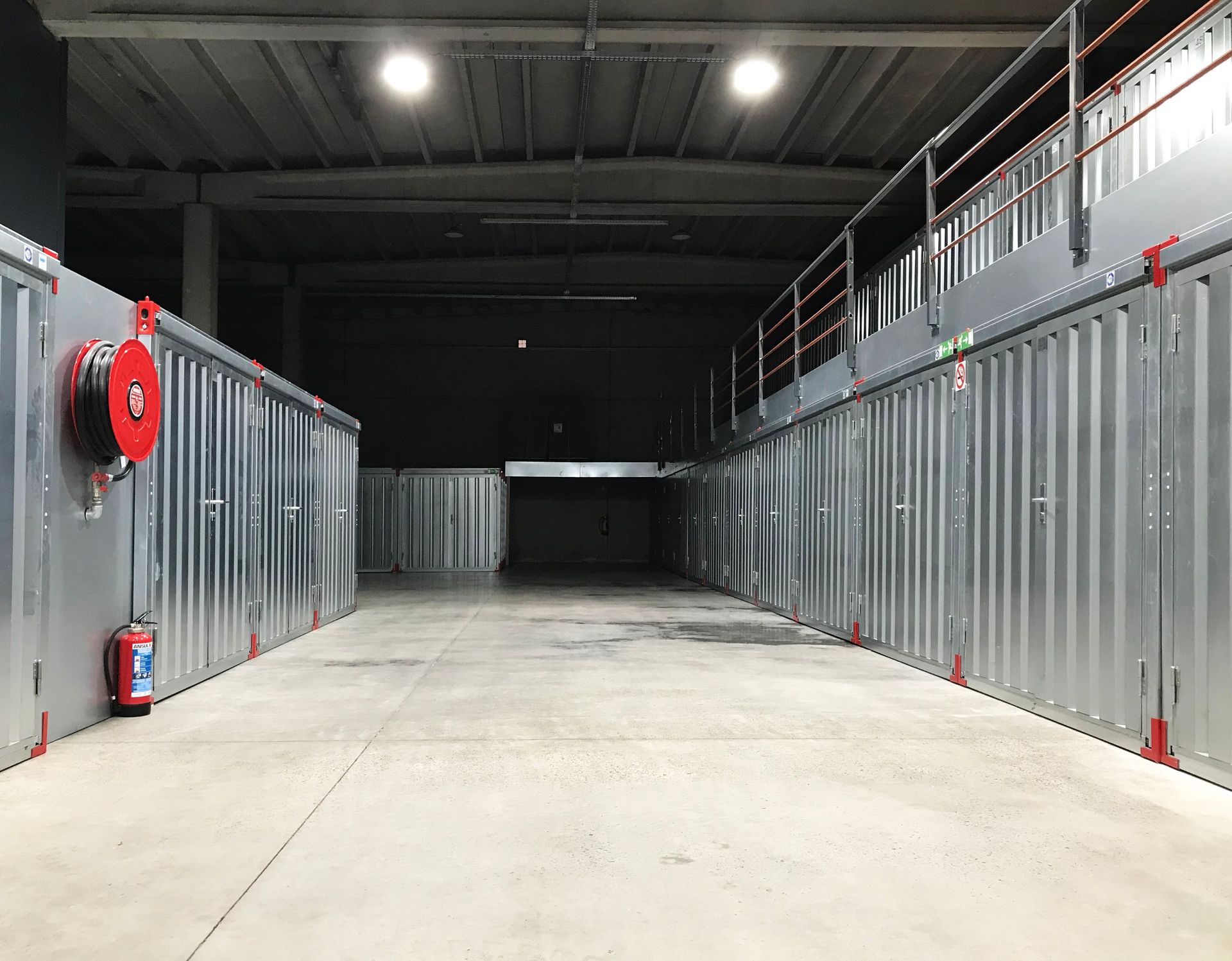
ANVSJ offers secure storage facilities designed around flexibility, accessibility and convenience.
Customers benefit from:
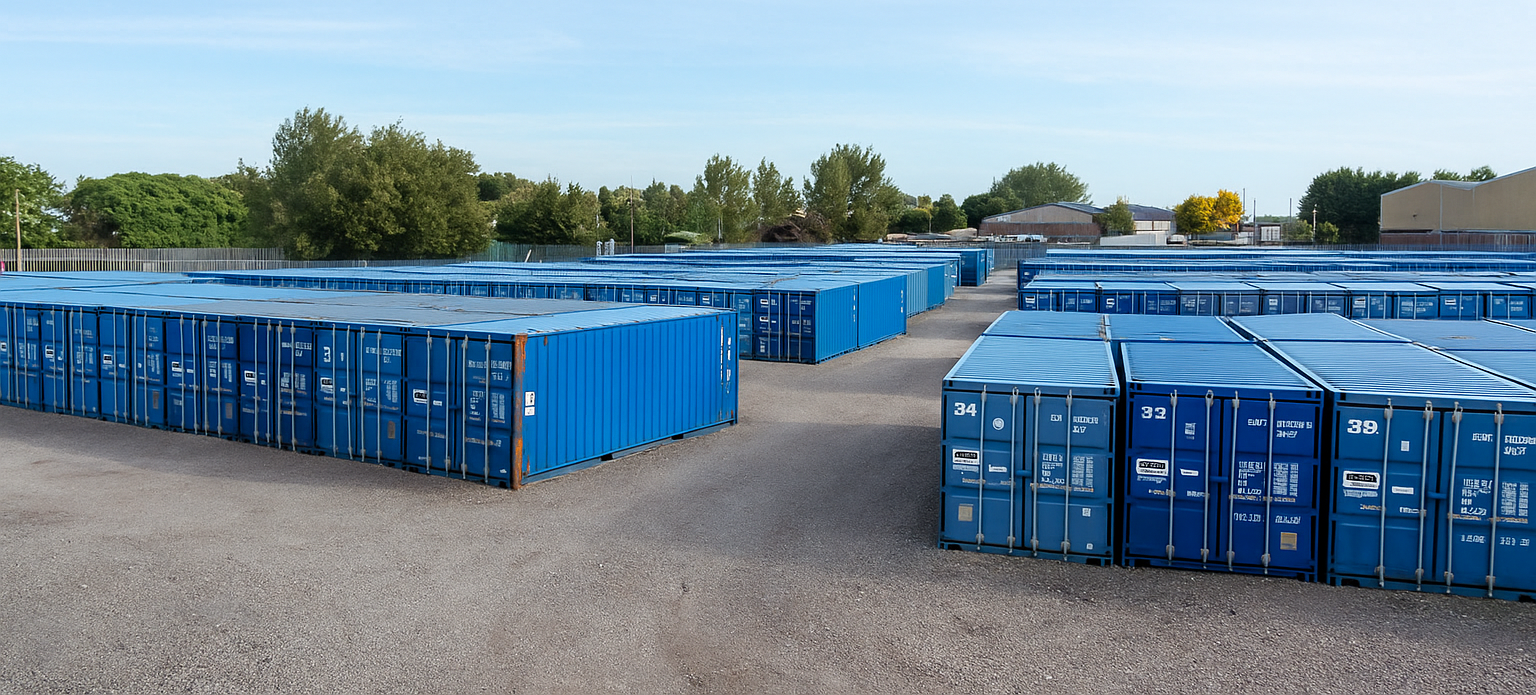
- Secure drive-up storage units.
- CCTV monitored facilities.
- Perimeter security systems.
- Flexible licence agreements.
- Selected locations with 24/7 access.
- Easy access from major motorway networks.
- Business-friendly facilities for stock, equipment and tools.
For companies operating across South Yorkshire, convenient access to the M1, M18 and A1 can significantly reduce travel times and improve day-to-day efficiency.
Is Self Storage Worth It? The Verdict
For most people, the question isn't simply "How much does storage cost?"
A better question is:
"How much could I lose without it?"
Whether you're moving home, renovating, growing a business or managing seasonal demand, self storage often replaces unpredictable, expensive problems with one simple, manageable monthly payment.
It provides flexibility when life changes unexpectedly, protects valuable possessions and gives businesses the space they need to grow without immediately committing to larger premises.
When viewed in terms of convenience, productivity and avoided costs, self storage is often one of the most cost-effective investments you can make.
Frequently Asked Questions
Is paying for storage worth it?
Yes, as highlighted in our self storage FAQs, it helps avoid larger costs like double rent or stock shortages. Before you commit, remember you should never sleep in a storage unit as it is illegal and unsafe.
What is a cheaper alternative to a storage unit?
Borrowing a garage or spare room may work in the short term, but these options often lack security, insurance and convenient access. Decluttering your home can also help, although it isn't always practical during renovations or house moves.
When does business storage deliver the best return on investment?
Business storage offers the greatest value when it prevents stock shortages, reduces travel time, supports seasonal inventory or delays the need for larger commercial premises.
Does the location of a storage facility matter?
Absolutely. A conveniently located facility near major roads or motorways can reduce fuel costs, improve productivity and save valuable time for both homeowners and businesses.
How do I choose the right storage unit?
Choose a unit based on what you're storing today while allowing enough space to access your belongings safely. If you're unsure, speak to the storage provider—they can usually recommend the most suitable size based on your inventory.
Get a Quote Today
Whether you're moving home or expanding your office space, ANVSJ can help you find the right solution.
Our experienced team can recommend the ideal unit size, explain access options and help you choose a facility that works for your schedule and budget.
Get in touch today for a no-obligation quote and discover how affordable self storage can save you time, money and unnecessary stress.